
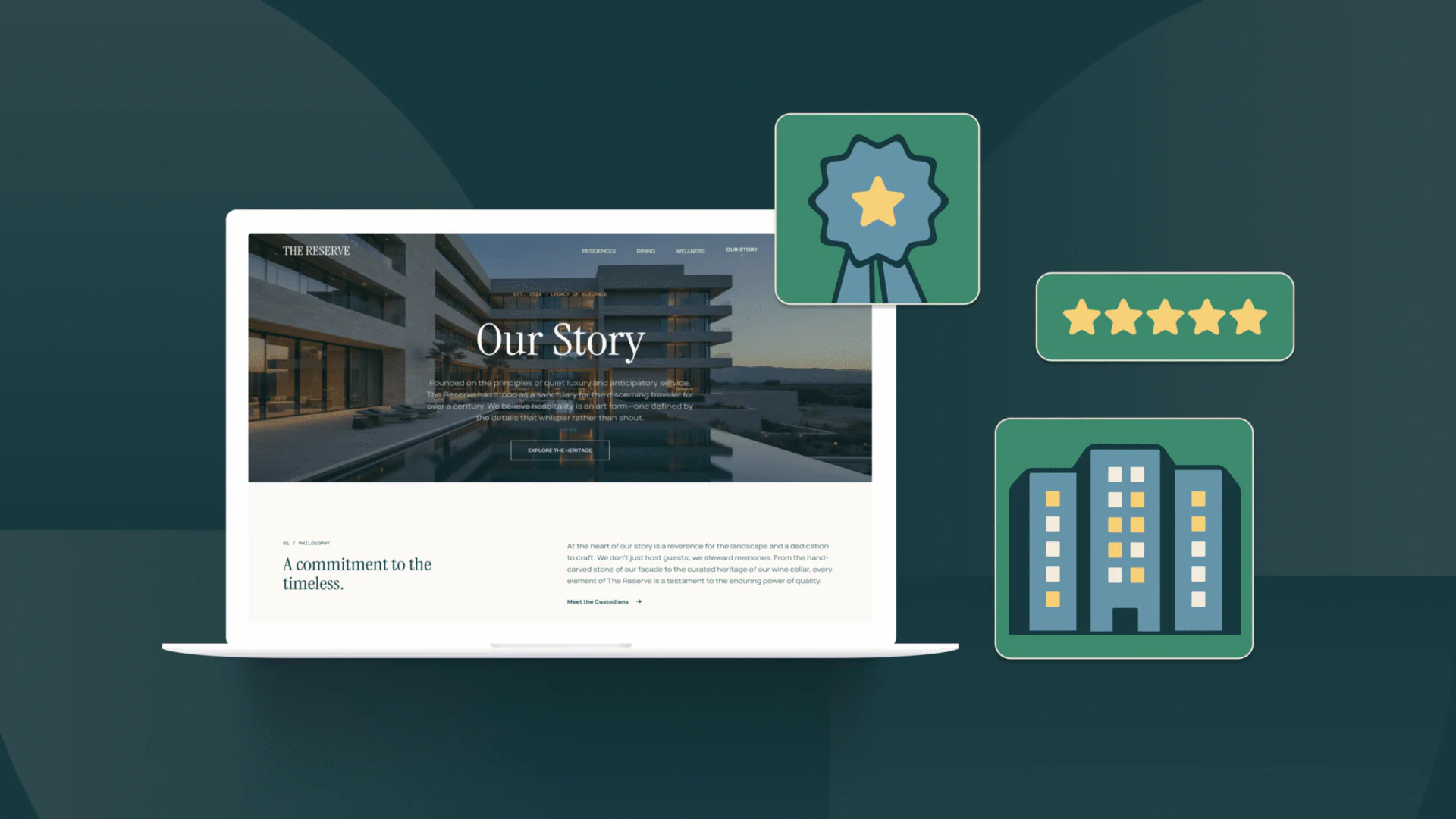
Building Hotel Brand Reputation Through Your Website
In today’s digital world, your website is often the first impression potential guests have of your hotel. Before they book a room, visit your property, or contact your team, they’re likely to explore your website. Because of this, your website plays a critical role in shaping and strengthening your hotel brand reputation.
A strong hotel brand isn’t built solely through great guest experiences. It also depends on how effectively you present your business online. Your website should act as a trusted source of information, a booking platform, and a reflection of the quality guests can expect from your property.
So, how can your website help strengthen your hotel brand reputation?
Keep Your Website Active and Up to Date
One of the simplest yet most effective ways to build trust is by keeping your website active.
A regularly updated website demonstrates professionalism and attention to detail, both of which contribute positively to your hotel brand reputation.
An outdated website can give visitors the impression that your business is inactive or not paying attention to detail. Regular updates demonstrate that your hotel is engaged, professional, and committed to providing current information.
Consider regularly updating:
- Special offers and promotions
- Seasonal packages
- Hotel news and announcements
- Local area guides
- Blog content
- Event information
Publishing blogs is particularly valuable as it helps drive organic traffic from search engines while showcasing your expertise and local knowledge. Whether you’re sharing travel tips, highlighting nearby attractions, or announcing hotel improvements, fresh content signals that your business is active and relevant.
Establish Credibility Through the Essentials
This may not be the most exciting aspect of website management, but it’s one of the most important.
Guests want reassurance that they’re dealing with a legitimate and trustworthy business. Ensuring your website is properly maintained behind the scenes contributes significantly to your credibility.
Some key areas to keep updated include:
- SSL certificates and website security
- Privacy policies and cookie policies
- Terms and conditions
- Accessibility statements
- Booking information
- Contact details
- Business registrations where applicable
A secure, compliant, and professionally managed website gives potential guests confidence in your brand before they’ve even spoken to your team.
Deliver an Exceptional User Experience
Your website’s design and usability have a direct impact on your hotel brand reputation and how visitors perceive your property.
If guests struggle to find information, navigate pages, or complete a booking, they are unlikely to stay on your website for long. In many cases, they’ll simply leave and book elsewhere.
A positive user experience should include:
- Clear navigation
- Fast loading pages
- Mobile-friendly design
- High-quality photography
- Simple booking journeys
- Easy access to key information
Professional photographs of your hotel, rooms, facilities, and surrounding area can also significantly influence guest perceptions. Visitors want to see where they’ll be staying, and quality visuals help reinforce trust and professionalism.
Remember, your website should make it easy for users to find exactly what they need, whether that’s room availability, dining information, directions, or contact details.
Your Website Is the Hub of Your Marketing Activity
No matter how guests discover your hotel, there’s a good chance they’ll eventually land on your website.
Whether you’re running social media campaigns, email marketing, search engine optimisation, or paid advertising, your website acts as the central destination for potential customers.
For example:
- Social media posts often direct users to your website.
- Email campaigns link to specific landing pages.
- Google Ads sends visitors directly to targeted website pages.
- Online directories and partner websites link back to your site.
Because your website sits at the centre of your marketing strategy, every page should be relevant, accurate, and designed to convert visitors into guests.
If someone clicks an advert promoting a special offer, they should land on a page that clearly explains that offer. If they arrive from social media, they should quickly find the information they’re looking for. Consistency across all marketing channels helps strengthen trust and reinforces your hotel’s brand reputation.
Showcase Updates and Improvements
Your website is also an excellent place to highlight improvements, investments, and achievements.
Have you renovated rooms? Added new facilities? Won an industry award? Introduced sustainable initiatives?
Sharing these updates demonstrates growth and commitment to guest satisfaction. It also gives returning visitors and prospective guests additional reasons to choose your hotel over competitors.
A dedicated news or blog section can be an effective way to communicate these developments while supporting your search engine visibility.
Final Thoughts
Your website is far more than an online brochure. It’s often the first interaction guests have with your brand and one of the most powerful tools for building trust and credibility.
By keeping your website active, maintaining essential compliance and security standards, delivering an excellent user experience, and ensuring it supports your wider marketing efforts, you can strengthen your hotel’s reputation and encourage more direct bookings.
Investing in your website is investing in your brand. When guests trust what they see online, they’re far more likely to trust your hotel in person.
![Common Objections in Website Sales [Blog Banner 16_9]](https://uphotel.agency/wp-content/uploads/2026/08/Common-Objections-in-Website-Sales-Blog-Banner-16_9-800x450.webp)